In a world saturated with digital advertising, achieving meaningful brand awareness has become increasingly difficult. Yet promotional products continue to deliver one of the highest recall rates in marketing. Industry data shows that 85% of people who receive a promotional item can still recall the brand months later, while many digital impressions vanish within seconds.
TL;DR / Key Takeaways
- Promotional products generate repeated, tangible exposure that digital ads often cannot match.
- Useful items create daily brand impressions at a very low cost per impression.
- Physical ownership builds stronger emotional connections and higher recall than passive digital views.
- In 2026, combining usefulness with sustainability maximizes awareness among conscious consumers.
- Strategic distribution and measurement turn promotional items into powerful awareness tools.
- Avoid low-quality giveaways that damage perception instead of building it.
The Current State of Brand Awareness Challenges in 2026
Digital advertising costs continue to rise while consumer attention fragments across platforms. Ad fatigue is real — many users actively ignore or block online ads. Banner blindness and declining click-through rates make it harder for brands to break through with traditional digital methods alone.
At the same time, consumers increasingly value authentic, tangible interactions. Promotional products offer a physical presence in people’s daily lives that screens cannot replicate, providing a refreshing counterbalance to digital overload.
How Promotional Products Deliver Superior Brand Recall
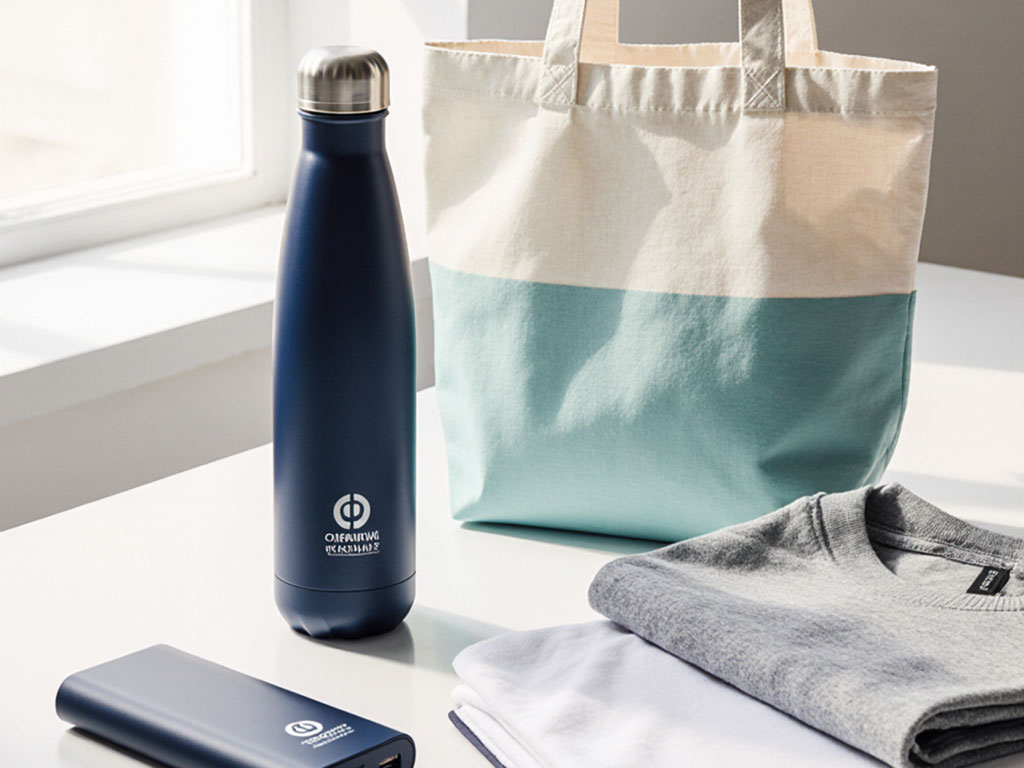
The core advantage lies in repeated exposure. When someone uses a branded water bottle, tote bag, or notebook every day, the brand receives consistent, low-cost impressions over months or even years.
Studies consistently show promotional product recall rates around 85%, significantly higher than most digital channels. Ownership creates a psychological bond — people feel a sense of connection to items they keep and use. This ownership effect leads to stronger memory encoding compared to fleeting digital views.
Additionally, the cost per impression for retained promotional items often falls well below one cent, making them one of the most efficient awareness tools available.
Mechanisms That Make Promotional Products Effective for Awareness
Several factors work together to amplify visibility:
- Repeated daily use: Practical items stay in rotation, delivering passive brand reinforcement.
- Public visibility: Items like apparel, bags, and drinkware are seen by others, creating secondary impressions.
- Emotional value: A useful or thoughtful gift generates positive associations with the brand.
- Social proof: When colleagues or friends notice the item, conversations about the brand naturally occur.
These mechanisms combine to create both direct and indirect awareness that compounds over time.
Best Promotional Product Categories for Maximum Brand Visibility in 2026
Not all items perform equally for awareness. The strongest categories share one trait: high daily usage and public visibility.
- Drinkware (water bottles, tumblers): Used multiple times daily and often carried in public.
- Tote bags and backpacks: Highly visible during commutes, shopping, and travel.
- Apparel (t-shirts, hoodies, hats): Worn repeatedly and seen by many.
- Tech accessories (power banks, phone stands): Frequently used and shared in social settings.
- Notebooks and journals: Kept on desks and carried to meetings.
In 2026, items made with sustainable materials add an extra layer of positive brand perception, appealing to environmentally aware audiences.
Strategic Distribution Tactics to Amplify Awareness
Effective distribution maximizes reach and relevance:
- Trade shows and industry events for targeted, high-volume exposure.
- Client appreciation gifts that encourage ongoing use.
- Employee programs that turn staff into brand ambassadors.
- Direct mail campaigns pairing useful items with a clear message.
- Partnerships and giveaways at community or charity events.
Integrating promotional products with digital campaigns — such as encouraging recipients to share photos with a branded hashtag — creates a powerful hybrid approach that extends awareness further.
Measuring Brand Awareness Impact from Promotional Campaigns
Tracking awareness requires practical methods:
- Pre- and post-campaign surveys measuring unaided and aided recall.
- Impression estimates based on expected retention and daily usage rates.
- Social listening for mentions triggered by visible items.
- Website traffic or lead spikes correlated with distribution timing.
While exact attribution can be challenging, combining these approaches provides a clear picture of awareness lift and helps justify continued investment.
Real-World Examples of Successful Awareness Campaigns
Brands that focus on useful, high-visibility items often report strong results. Companies distributing premium reusable drinkware at events frequently see the bottles appearing in customer photos and daily routines weeks or months later. Organizations providing branded apparel to employees and event attendees benefit from widespread public visibility as wearers move through their communities.
These campaigns succeed because the products solve practical needs while keeping the brand top-of-mind through consistent, real-world exposure.
Common Pitfalls That Undermine Awareness Goals
Several mistakes can weaken results:
- Choosing low-quality or irrelevant items that get discarded quickly.
- Distributing without a clear strategy or target audience in mind.
- Failing to consider how and where the item will actually be used.
- Neglecting measurement, which makes it difficult to improve future campaigns.
Avoiding these pitfalls requires thoughtful planning centered on usefulness and visibility.
Actionable Framework for Building an Awareness-Focused Promotional Strategy
Follow these steps to create an effective plan:
- Define specific awareness goals and target audience.
- Select product categories with proven daily use and visibility potential.
- Ensure strong brand alignment and high perceived value.
- Plan distribution channels and timing for maximum reach.
- Incorporate measurement methods from the start.
- Review results and refine for future campaigns.
This structured approach helps turn promotional products into reliable brand awareness engines.
Conclusion
Promotional products remain one of the most effective tools for building genuine, long-lasting brand awareness in 2026. Their ability to deliver repeated, tangible impressions at low cost gives them a clear advantage over purely digital methods. By focusing on useful, high-quality items and strategic distribution, brands can achieve stronger recall and more meaningful connections with their audience.
Evaluate your current marketing mix and consider how a well-planned promotional products strategy can complement and strengthen your overall awareness efforts.
Author Bio
This post was written by an experienced SEO content strategist and digital marketing professional specializing in promotional products and branded merchandise strategies.
References
- Advertising Specialty Institute (ASI) and PPAI industry studies on recall rates and impressions.
- Consumer behavior research on promotional product retention and visibility.
- Marketing reports comparing cost-per-impression across channels for 2025–2026.